
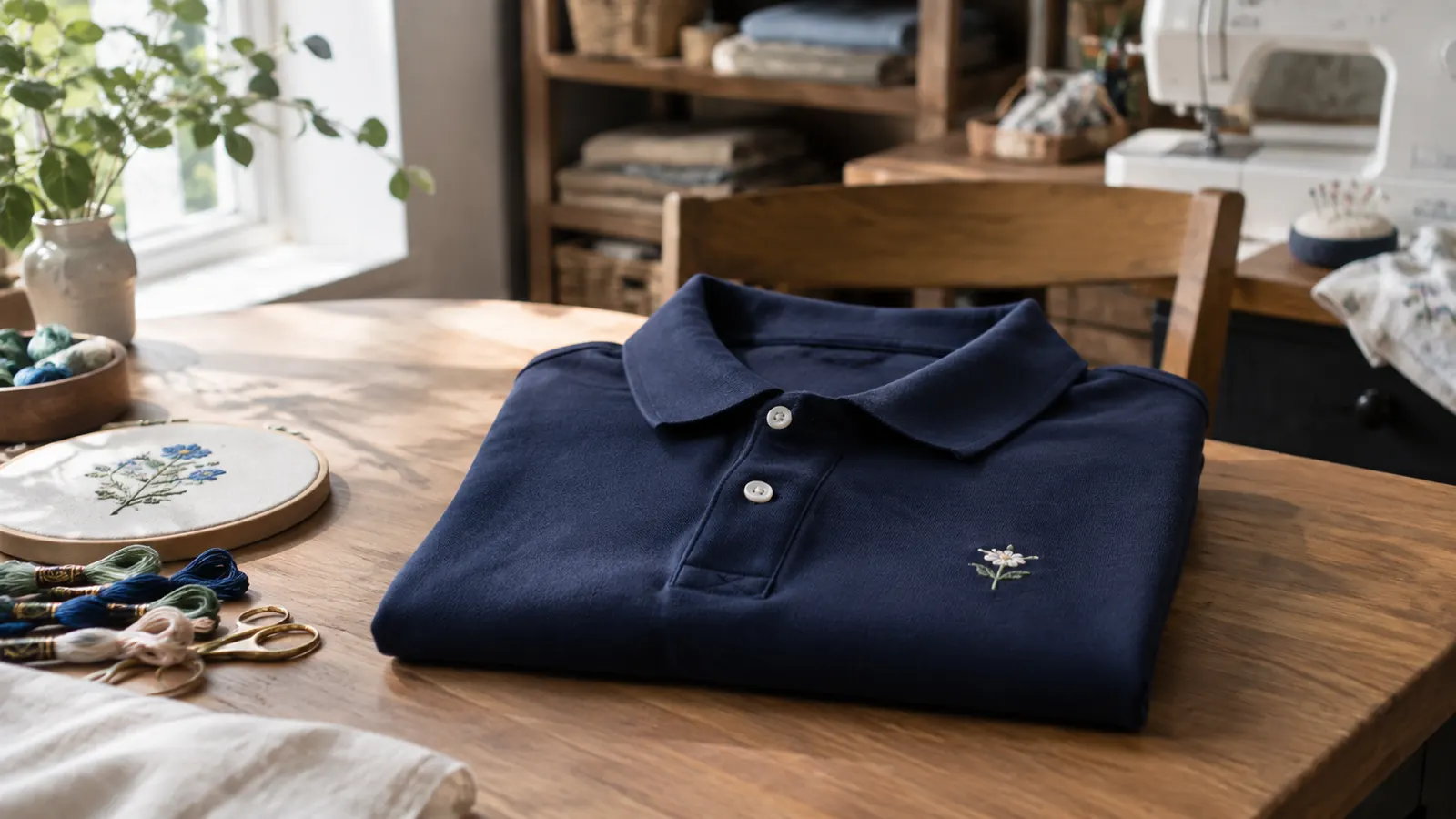
The worst order I ever shipped had a puckered logo on every single shirt. Twenty-four navy polos for the local HVAC crew, left chest, a clean satin-stitch logo over a double underlay. Out of the hoop they looked perfect. After the first wash, each chest looked like the fabric had been gathered with a drawstring.
I have run a six-needle machine out of my spare bedroom in Macon since 2019. Hats, towels, canvas bags, and more left-chest polos than I can count, mostly for ball teams, churches, and a barbecue place that reorders every spring. I know how to set bobbin tension and when to change a needle. So hear me when I tell you the fix had nothing to do with my machine and nothing to do with the digitizing file. It was a roll of New brothread tear-away stabilizer. It took me three weeks and one unhappy customer to figure that out.
That customer was the HVAC owner. He washed one of the shirts and brought it back to my porch, and I could not argue with what the wash did to the chest. So I did what we all do when knit fabric puckers. I sent the file back to my digitizer, and he added underlay. Nothing. I switched to 75/11 ballpoint needles. Nothing. I eased off the top tension and slowed my top speed. Still nothing. And because the logos looked fine coming off the hoop, I kept shipping them. The puckers only showed themselves after a wash, which is how the customer found them first.
What cracked it was a question in an embroiderers group I follow. Someone posted a photo of a puckered polo and asked what weight tear-away the rest of us used with knits. I opened my reply to type medium, and I realized I had no idea what was in the box under my table. It said tear-away, and that was all it said. It was a light, flimsy sheet from a craft store clearance bin, close to tissue paper. I had used it for years on everything, hats included, because it was the first stabilizer I ever bought.
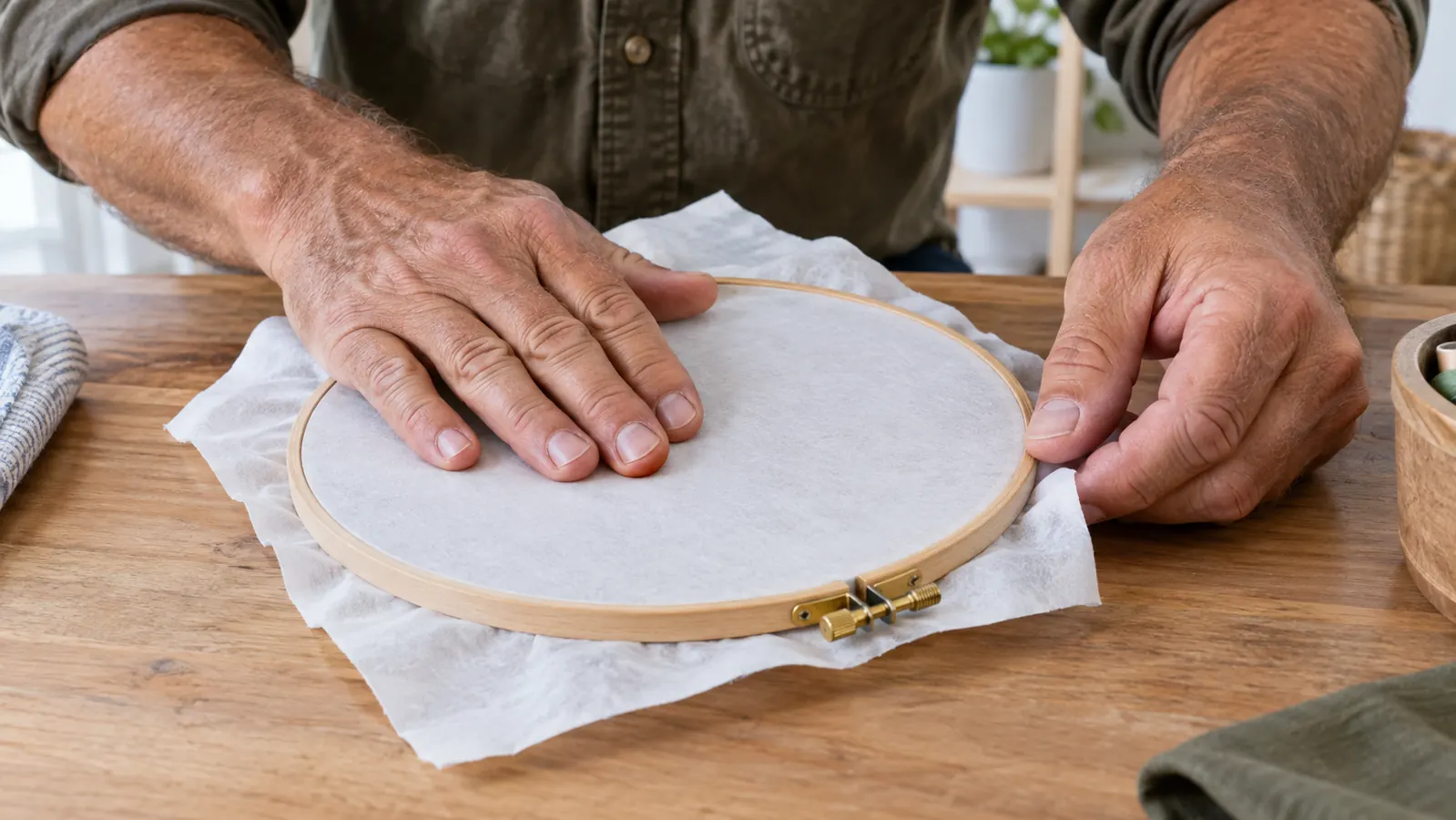
The advice in the thread was simple: use a medium-weight tear-away on stable knits and nothing fancier. I ordered a 12-inch by 50-yard roll of New brothread tear-away, mostly because the reviews were full of people stitching the same polos I stitch, and the 12-inch width covered a chest design without piecing. When it arrived, I hooped the stabilizer drum tight, floated one practice polo on top, and ran the exact file I had sent back to the digitizer twice.
The same file that puckered on every shirt with the flimsy sheets came off the hoop flat on the first pass over medium weight. I washed that test shirt twice before I trusted it.
If Your Logos Pucker After the First Wash, Test the Stabilizer Before You Blame the Machine
For me, the fix was a 12-inch by 50-yard roll of New brothread medium-weight tear-away. One test wash on a real shirt tells you in minutes whether stabilizer weight is your problem. This is the roll I order now that the clearance-bin years are over.
Amazon Check Today's Price on Amazon →The first test polo came off the hoop flat. I held it up to the light, folded it, laid it flat, and looked at the satin border from every angle. No drawstring, no pulling. I washed it twice in warm water and dried it on low before I let myself believe it, because the customer would wash it the same way. It stayed flat.
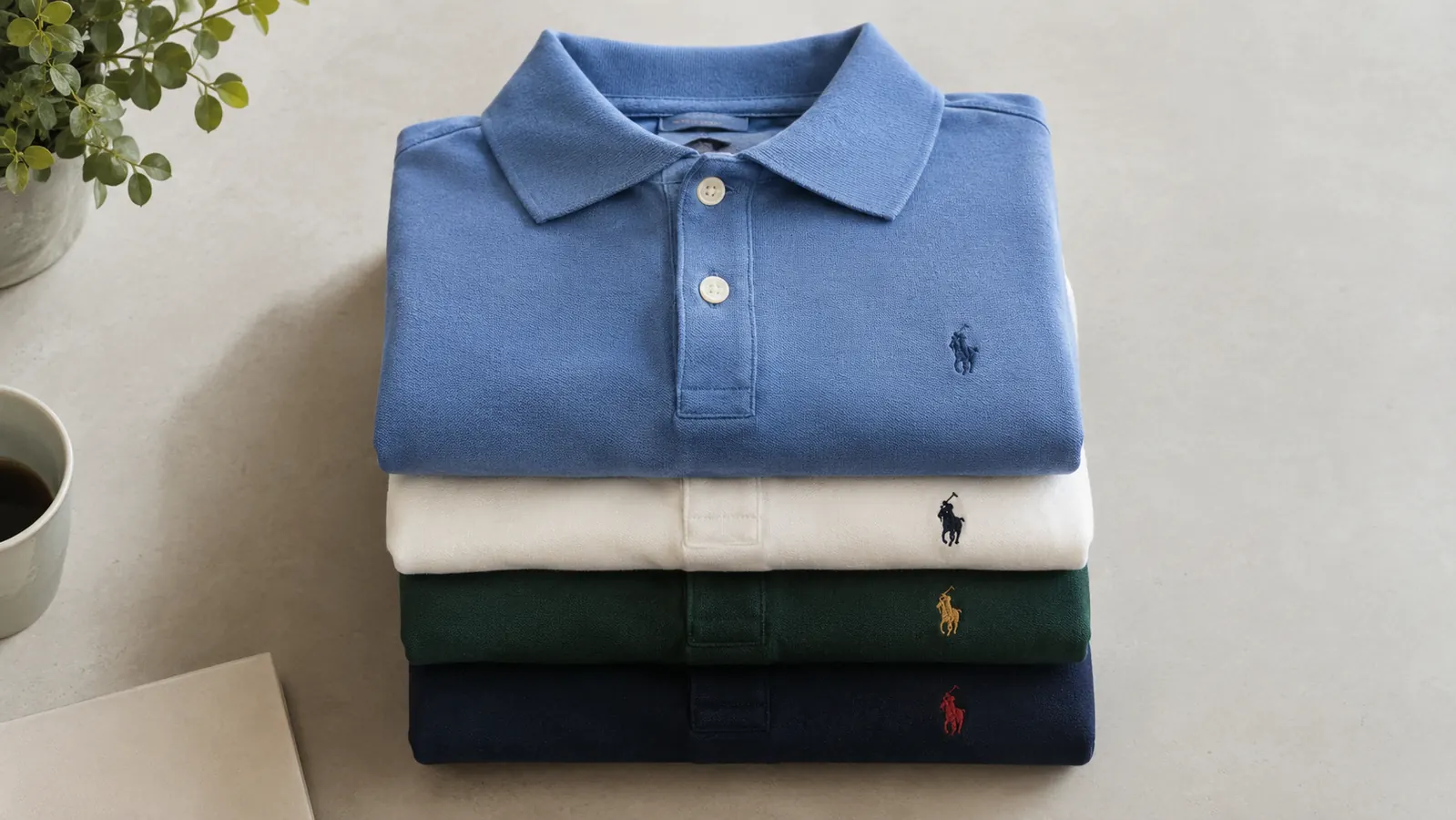
So I unpicked all twenty-four bad chests, rehooped each shirt over a fresh sheet of the New brothread, and reran the same file over two days. Same design, same thread, same tension. The only thing I changed was the sheet under the knit. Every single shirt came out flat.
The HVAC owner called two weeks later to say the polos had been through the wash four or five times and the logos still looked crisp. He ordered thirty more. My next order was a church group, then a little league, then the barbecue place. The same roll of New brothread has been under every knit shirt I have stitched since, and it still has plenty left.
I am not going to tell you tear-away fixes every pucker, because it does not. Stretchy practice jerseys and plush towels still get cut-away in my shop. A dense design on a flimsy knit will pucker no matter what is under it. But for a stable knit polo with a normal chest logo, the problem is usually the stabilizer weight, and the test costs one shirt and fifteen minutes.
What I'd Tell You If We Were Sitting at My Kitchen Table
Run the test before you run the order. Hoop one sheet of stabilizer and stitch the real design on a real shirt using the thread you will use in production. Wash it the way your customer will, dry it the same way, and look at what the washer did to the satin border. Ten minutes of that would have saved me three weeks. And when you find a stabilizer that behaves, stop switching. I stick with New brothread because the roll I buy in March stitches the same as the roll I buy in July. The clearance sheets I used for years were not even consistent within one package. Some tore out clean, some tore too easy, and the ones that tore too easy let the fabric shift under the needle. That shift is the pucker.
If you are weighing tear-away versus cut-away for your own shop, the rule I landed on is plain. Fabric that will hold its shape under the needle gets medium-weight tear-away. Fabric with real stretch, or a texture you cannot hoop flat, gets cut-away. And if a design starts puckering while the machine is running clean, change the stabilizer first. It is the cheapest variable in the whole setup and the one most of us ignore.
Still Fighting Puckers? Start With a Fresh Sheet of Tear-Away
Run the same test I ran: one 12-inch by 50-yard roll of New brothread tear-away, one practice shirt, one trip through the washer. The reviews that convinced me are full of people stitching the same polos I stitch. Check today's price and decide for yourself.
Amazon Check Today's Price on Amazon →